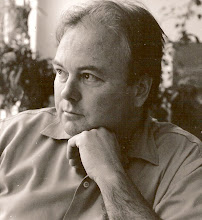
Dateline: January 10, 2012
The response to the December essay about Christmas in prison surprised me. Something about the experience touched more than a few people. I am grateful for the positive comments and encouragement, and want to follow up on how the event turned out.
One of the crucial ways of developing Christmas spirit in the negative environment of prison is through singing Christmas carols. Only a few people have radios in here, which have poor reception and limited pick up out here in the middle of nowhere, so if you want music you have to make your own. Two weeks before Christmas, I’d only enlisted two carolers, but I wasn’t worried. Getting them to sing a few Christmas carols every night as practice was the hard part. As the men heard the songs over a two week period, more and more began humming the tunes, subtly infusing them with Christmas spirit.
When I first went around the housing unit ─ we call them, “dorms,” but the term has nothing else in common with college housing ─ a number of prisoners, the “haves,” quickly signed on, agreeing to participate. A minority of scoffers and doubters ─ mostly “have-nots,” but some “haves,” said they weren’t interested. I told them they were welcome to share in the food and celebration, whether they contributed or not. Prisoners are distrustful. They’ve been conned, lied to and tricked so many times, and have conned, lied to and tricked others in turn, to the point where they look on anything that sounds good with suspicion and skepticism. That’s okay. I’ve learned how to deal with the hard cases.
Two days before Christmas, five men ─ “haves” ─ had made major commitments to purchase canteen food to feed the dorm, but it only works if more prisoners contribute, even if it is only a ramen noodle soup or some saltines. On Friday night, two major contributors and I went from bunk to bunk with a mesh bag seeking donations from the fence sitters.
“Is this thing really gonna go down?” one asked.
“I don’t think it will work, but I’ll throw in a bag of beans and rice,” another said. “Thanks.”
“Man, I ain’t got nothing to give.”
“That’s okay. It’s Christmas. We’ll have something or everyone, even if it isn’t much.”
“I don’t believe in Christmas. This is just a scam.”
“No, it’s not.”
So it went. We collected a surprising amount of food, mostly the dry ramen noodles, beans, and cheese puffs, but also tuna fish, chili and beans, and beef stew in the bag. It still wasn’t enough to feed eighty-five men on Christmas night. When one man said that, I told him they told Jesus the same thing two thousand years ago, right before He fed the multitude with a few fishes and loaves, and we would feed everybody in the building even if it was only a spoonful of tuna salad on a saltine. As it turned out, we had a lot more than that.
One man brought three bags of instant coffee and gave out spoons of coffee to all who wanted it, all Christmas day. Coffee is a big deal in prison. Most men drink it, but most don’t have any. Anyone who buys a bag quickly learns to say no, or risk finding himself bum-rushed by beggars who will drink his last cupful if he lets them. To drink several cups throughout the day without the guilt of having to ask someone if they could spare a spoon “until my money come in from home,” knowing none is coming, was truly a welcome Christmas gift to many “have-nots.”
Several men who couldn’t contribute food offered their labor in preparation. Sixty packs of the ramen noodles and other dry ingredients went into a large plastic bag. That wasn’t going to be enough. A few men got the Christmas spirit, went to the canteen, and came back with more supplies. Into the bag. Add gallons of hot water. Mix it all together. Get the choir organized and singing Christmas carols, the louder the better. All it takes is one spark to get a fire going. Men began drifting over to see how it was coming. Mattresses had been rolled back so the steel bunks could be used as prep areas. Old newspapers were laid down to contain the mess. The carolers sang on. The food was ready.
Most everyone got out their bowls and spoons and lined up. In prison we know how to line up. The chow line, the canteen line, the mail line, the laundry line, the line to go to work, to go to medical, to the chapel. Everywhere is a line. Hurry up and wait. Someone once suggested that the judge should just say, “I sentence you to life standing in line,” and get it over with.
We didn’t know how far the food would go, so the first time through, the bowls were only half filled. Then they came back through a second time. After several Christmas songs, a lively rendition of “Jingle Bells” broke through the tough guy façades, and the singing got boisterous with more people joining in. Several men stayed off to the side, trying to ignore the celebration, but the Christmas spirit was contagious, and the other men went to them.
“Don’t you want something to eat?”
“It’s really good. Where’s your bowl? Try a little.”
Some people have to be convinced it’s okay to have fun and share with others. It’s a good thing we set some aside for the singers, or there would have been little left after a couple of dozen men went through the line a fourth time. I went through twice myself and was full.
One of the scoffers came to me later and said that he’d served nine years in prison, and this was the best Christmas he’d ever had, even on the street. He thanked me for talking him into it, getting him involved, and for putting it all together. That was thanks enough for me. To see so many normally scowling, angry and unhappy men laughing and singing “Joy To The World,” eating and sharing with others, getting along, not arguing, made all the effort worthwhile. I wanted to prove a point ─ that we could rise above our circumstances if we worked together. Point proved. Let us show them what “faith-based” means.
A twenty year old prisoner approached me hesitantly. TWENTY years old! Was I ever that young? He looked fourteen. I shuddered to think of the hell he’d gone through, being sent to an adult prison as a teenager. “Tender vittles,” they call those boys. You’d better fight, and learn to “wear an ass-
whuppin,’ ” to keep your manhood and self-respect in such an environment. I added it up ─ when he was born, I was serving my thirteenth year in prison at Polk C.I., working in the chapel, painting, writing, and growing flowers, besides my other duties. He could have been my grandson. He called me Mr. Norman.
“Mr. Norman,” he said, eyes averted. I waited him out. He looked up at me. “Could I see that picture you took again?”
The previous week, Libby and I had taken a photo in front of the Christmas tree in the visiting park. I had showed it to several fellows when I came back, so they could see how nice the Christmas tree looked, since few of them would be going for a visit.
“Sure.” I got it out and handed it to him. He looked at it for about a minute.
“That’s a good picture of you, Mr. Norman. You look happy.”
“It’s good to have someone who loves you.”
“I don’t have anybody who loves me,” he said, eyes downcast again.
“Surely someone loves you,” I said. “What about your mother?”
“You don’t know my mother. Leave her out of this,” he said. “You know, I never had a Christmas. We didn’t do that. But, today, this Christmas party and all that, the singing, it made me feel different, like someone cares.”
“I care.”
“Thanks.”
He walked away.
Charlie
Monday, January 16, 2012


Tuesday, December 27, 2011
THE PASSING OF A PRISON ORIGINAL
Dateline December 27, 2011
One of the drawbacks of long-term imprisonment is the social exile and isolation. Being shipped off in crowded, creaky buses to distant, anonymous Florida prison backwaters far from family and friends causes one to identify with the despair of the European Jews shipped away in cattle trains to Polish concentration camps and unknown fates in the Holocaust. Limited access to hometown news and news in general contributes to the feelings of loss, separation and despair. Few people get newspapers. I can’t afford them.
For the past several weeks, some of those sensations have been assuaged. A fellow prisoner with the finances to afford a daily newspaper mailed into the prison shares the Gainesville Sun with me, a few days late, which is how I learned of the death of Dr. Laura Parado, a psychiatrist and prison original, and one of the most delightful and intriguing people I’ve met during my incarceration. She died at age 80 in Gainesville, Florida.
Over thirty-one years ago, in 1980, as I began serving this fresh life sentence, I participated in and then joined the GOLAB Program at Union Correctional Institution, “The Rock,” Raiford, arguably the most effective and life-changing prison program before or since. The GOLAB Program, “Growth Orientation Laboratory, Inc.,” was a private corporation with a contract from the Department of Corrections to provide prisoner self-help and self-improvement programs in Florida prisons.
“GOLAB” was conceived when DOC Secretary Louis Wainwright, Assistant Secretary Ron Jones, and Florida Parole Commission Chairman Anabel Mitchell participated in a week-long executive management training program sponsored by Jerome Barnum at the Key Biscayne Hotel in Miami. Retired U. S. Navy Captain Martin J. “Lucky” Stack was their group facilitator, leading them through a series of structured exercises designed to build the confidence, self-esteem, and self-awareness of corporate CEO”s and managers, sending them back to their companies and government agencies more capable of understanding themselves and others. The program had such life-changing effects on the three state officials that during a brainstorming session (which they learned to do that week), they had a “Eureka” moment. If this self-awareness program has such a positive effect on competent, accomplished business and government executives, what would happen if prisoners, who could never afford the hefty fee or ever hope to attend executive training seminars, had the opportunity to participate in such a program? The seeds of GOLAB were planted and quickly grew to fruition.
“Lucky” Stack left Jerome Barnum, formed a corporation, obtained a state contract to provide a prisoner self-help program, and GOLAB was born. Its trial by fire began quickly. The first class was held at Florida State Prison (FSP) in Starke, Florida’s worst prison, home of Death Row, the electric chair, “Old Sparky,” and 1198 of the most desperate and dangerous prisoners, the end of the line. If GOLAB worked at FSP, it would work anywhere.
“Lucky” Stack led the first class, in December, 1975, and the results were amazing. Jack “Murf the Surf” Murphy signed up for that first class, and he and several others men who completed the class became facilitators and instructors in the classes that followed.
The point of the GOLAB was “peer-to-peer facilitation,” prisoners helping prisoners, without “free people” involved, something mandated today by the Florida Legislature in the growing “faith-based initiative,” but highly-controversial and contested when first proposed by Lucky Stack at FSP.
“You are going to allow inmates to be alone in a classroom with other inmates, with no teachers or guards watching them?” No way would that work, they said. Prisoners couldn’t be trusted, they were always up to something, and no telling what would go wrong. Prisoners would not accept other prisoners as teachers or class leaders. No good would come of it, the argument went.
They were wrong. Perhaps the original incentive for some prisoners was to get out of their locked-down solitary cells for a few hours a day to associate with other prisoners, but the results couldn’t be denied. As more and more of the most dangerous, violent prisoners completed the eight-day GOLAB Basic Workshop, FSP’s violence level against prisoners and guards fell. Rather than fighting, stabbing, and killing each other, the prisoners began talking more to solve their conflicts and problems. And for prison officials who had to deal with the highest murder rate in Florida, reducing violence got their attention. Soon, they expanded the GOLAB Program across the New River to Union C.I., Florida’s oldest and largest prison, with 2600 equally desperate, violent men with little hope for salvation.
It turned out that serious, dedicated prisoners determined to improve themselves and assist their fellows in gaining insight and self-awareness of who they were, how they came to be where they were, and how to become better people in the worst environment imaginable were far more successful in achieving life-changing, palpable results than the most accomplished “professionals.” The con games and manipulation that prisoners tried to run on therapists and psychologists in their mandated groups didn’t work on experienced, jaded prisoners who’d seen and done it all. The prisoner group leaders and participants saw through the facades and masks, demanding truthfulness, honesty and self-revelation, decidedly foreign concepts and attributes in a system built on falsehood and injustice. For the first time in many of the men’s lives, they had to hold up a mirror to their true selves, and make decisions as to what kind of person they wanted to be from here on out.
Enter Dr. Laura Parado, head psychiatrist, a petite Filipina in her late forties, in charge of the prison’s psychology department and all its programs. It took me awhile, in a roundabout way, to get back to my subject, but in order to appreciate who she was and the role she played in prison, and with the GOLAB, I needed to put that time and place in perspective.
I first met Dr. Parado one day in 1980 when she led a group of “professionals,” newly-hired psychologists filled with trepidation at walking the open grounds of a maximum security prison populated with droves of prisoners passing by and gawking at them hungrily, to the GOLAB classroom complex in “C” Area, of the Southwest Unit of Union C.I. We had a class in session, but we welcomed the opportunity to introduce ourselves to people who might one day be making decisions whether some of us were psychologically fit for freedom.
In her charming, Filipino-accented voice, Dr. Parado said, “I don’t know what happens down here in this GOLAB. All I know is, it works. I tell people I can do nothing with, to sign up for GOLAB, before I give up on them. And when they come out, they are different. It is a good program. I wish we had their results.”
She won me over the day we met. Every month or so she would lead a new group to our classroom and sing the praises of GOLAB,and frequently prisoners would show up at my office with a referral from Dr. Parado to sign up. We took them all.
As an aspiring writer, I was always writing down ideas in my journals for essays, short stories and books that I wanted to write based on my experiences, or things other people told me. And so it was with this life sentence hanging over my head.
Someone once said that facing the hangman tends to sharpen one’s senses. The same holds true when one is at the beginning of a life sentence, with little chance of early release. I had to confront my mortality. Would I give up, or fight to live and survive? In GOLAB I met men who had served ten, twenty, or thirty years imprisonment, for better or mostly worse, and I listened to their stories of travails, loss, and survival. I decided that I would emulate their determination and do my best not just to survive, but to constantly improve myself and become a better person. The GOLAB experience equipped me with the tools I needed to do just that.
Considering “life in prison,” what it meant to a mortal man, I mused about a story idea of a person who was immortal, who would not die, but was trapped in a life sentence in a prison he could not escape from, what would become of him. It would be one thing for someone to serve thirty or forty years in prison and not appreciably age, but to spend fifty, sixty, seventy or more years in the same prison, as the men you came in with aged, withered and died, and you didn’t change, would present an entirely different problem. How would that immortal being deal with the issues? How would that person’s psychology develop and change as he lived decades longer than anyone else, through all the societal and world changes, passing eighty, ninety, or one hundred years, and more, mentally, but physically being a much younger man?
My idea coalesced, and my protagonist became a scientist in the nineteenth century who discovered the secret to eternal life, who made no permanent attachments over the next century, to avoid discovery, but then one day found himself imprisoned for a crime he didn’t commit, trapped in prison, with no way out. Would he be a grumpy, cantankerous old man in a younger man’s body, a person with nineteenth century mentality stranded in a future world, alien to all he knew, or would he perhaps go insane from the stress and futility? I wondered how to develop such a character, and where I could find the answers. The light bulb in my mind lit up. Dr. Parado, of course! I could ask her.
The next time she brought a tour group to GOLAB, I asked her if I could make an appointment to talk to her. I told her I was working on a story idea with psychological implications, and I would appreciate it if she would give me the benefit of her insight as a psychiatrist, off the record.
“Most certainly,” she said. “Come to my office first thing in the morning.”
I did.
The Union C.I. prison hospital was a throw back to a different time, a two-story building with concrete walls as solid and foreboding as the neighboring “Main Housing Unit,” built decades earlier, its fortress-like construction looking like it could withstand cannon fire and a siege of Assyrians. For many years the U.C.I. hospital was the only hospital in Union County, Florida’s smallest county and one of its poorest. In years past the prison hospital was the only place available for emergencies, and many guards and their families availed themselves of treatment there. Richard Dugger, the warden of FSP at one time and later Secretary of the Department of Corrections under Governor Bob Martinez, considered it a badge of honor that he was born in the prison hospital. Cradle to grave, state-raised.
Dr. Parado’s office was deep inside the hospital, and I had to ask directions a couple of times to find it. She welcomed me, continued to read the file before her, then closed it and smiled. She’d been reading my file, she said, curious about me, and told me that I appeared to be a well-balanced young man, based upon the tests I’d taken when I entered prison at the Lake Butler Reception and Medical Center. What did I want to discuss with her, she asked?
I told her that I was kicking around an idea for a book I’d like to write, and explained the plot to her, just like I explained it to you a page or so back, about the immortal person trapped in a prison with a life sentence, what would be the psychological implications? Since she was a trained psychiatrist, perhaps she would share her insights.
Dr. Parado lowered her reading glasses from her nose and peered over them, studying me, saying nothing. Then she said, very slowly, deliberately. “I have just one question, Charles.”
“Of course.”
She leaned forward over her desk and asked very seriously, “Just how old ¬are you, really?”
I thought for a moment, then laughed. “No, Dr. Parado, you have the wrong idea,” I said. “This is fiction, a product of my imagination. I just made it up. This is not about me. I’m thirty-one.”
“Of course you are,” she said, smirking. She stood. “It was very interesting talking with you. I must think about this. Please come back any time. My door is always open.”
I left. In the months and years that followed, until I left Raiford in 1983 to open a new GOLAB Program at Zephryhills C. I., I saw Dr. Parado several more times when she came again to our classroom with a group, or if I met her in passing on the sidewalk, but I never returned to her office in the prison hospital. She would always greet me like an old friend or colleague, her face lighting up, and she would reach up and pat my shoulder or squeeze my arm. She would give me a warm introduction to the groups, expound on the miracles worked in “that GOLAB,” but we never mentioned my book idea again. I shelved the book idea of how an immortal man would survive a life sentence, and focused instead on how a mortal man ─ myself ─ would survive. I learned to set and achieve long-term goals for self-improvement, taught the principles to over two thousand other men, and developed skills that would serve me for the rest of my life. I never really knew if Dr. Parado actually thought my immortal prisoner was a thinly-veiled reference to myself, or she was just putting me on, playing a head game, using her intellect to match wits with me in some way. It didn’t matter. She was a fascinating, intriguing lady who loved her work with prisoners and genuinely wanted to help them navigate and emerge from the maze of madness many of them found themselves lost inside.
Dr. Laura Parado was survived by children and grandchildren. She was loved. And if she could work in prison for over thirty years and survive the experience, so could I. My condolences to her family. She was quite a person, and I’ll never forget her.
Charlie
One of the drawbacks of long-term imprisonment is the social exile and isolation. Being shipped off in crowded, creaky buses to distant, anonymous Florida prison backwaters far from family and friends causes one to identify with the despair of the European Jews shipped away in cattle trains to Polish concentration camps and unknown fates in the Holocaust. Limited access to hometown news and news in general contributes to the feelings of loss, separation and despair. Few people get newspapers. I can’t afford them.
For the past several weeks, some of those sensations have been assuaged. A fellow prisoner with the finances to afford a daily newspaper mailed into the prison shares the Gainesville Sun with me, a few days late, which is how I learned of the death of Dr. Laura Parado, a psychiatrist and prison original, and one of the most delightful and intriguing people I’ve met during my incarceration. She died at age 80 in Gainesville, Florida.
Over thirty-one years ago, in 1980, as I began serving this fresh life sentence, I participated in and then joined the GOLAB Program at Union Correctional Institution, “The Rock,” Raiford, arguably the most effective and life-changing prison program before or since. The GOLAB Program, “Growth Orientation Laboratory, Inc.,” was a private corporation with a contract from the Department of Corrections to provide prisoner self-help and self-improvement programs in Florida prisons.
“GOLAB” was conceived when DOC Secretary Louis Wainwright, Assistant Secretary Ron Jones, and Florida Parole Commission Chairman Anabel Mitchell participated in a week-long executive management training program sponsored by Jerome Barnum at the Key Biscayne Hotel in Miami. Retired U. S. Navy Captain Martin J. “Lucky” Stack was their group facilitator, leading them through a series of structured exercises designed to build the confidence, self-esteem, and self-awareness of corporate CEO”s and managers, sending them back to their companies and government agencies more capable of understanding themselves and others. The program had such life-changing effects on the three state officials that during a brainstorming session (which they learned to do that week), they had a “Eureka” moment. If this self-awareness program has such a positive effect on competent, accomplished business and government executives, what would happen if prisoners, who could never afford the hefty fee or ever hope to attend executive training seminars, had the opportunity to participate in such a program? The seeds of GOLAB were planted and quickly grew to fruition.
“Lucky” Stack left Jerome Barnum, formed a corporation, obtained a state contract to provide a prisoner self-help program, and GOLAB was born. Its trial by fire began quickly. The first class was held at Florida State Prison (FSP) in Starke, Florida’s worst prison, home of Death Row, the electric chair, “Old Sparky,” and 1198 of the most desperate and dangerous prisoners, the end of the line. If GOLAB worked at FSP, it would work anywhere.
“Lucky” Stack led the first class, in December, 1975, and the results were amazing. Jack “Murf the Surf” Murphy signed up for that first class, and he and several others men who completed the class became facilitators and instructors in the classes that followed.
The point of the GOLAB was “peer-to-peer facilitation,” prisoners helping prisoners, without “free people” involved, something mandated today by the Florida Legislature in the growing “faith-based initiative,” but highly-controversial and contested when first proposed by Lucky Stack at FSP.
“You are going to allow inmates to be alone in a classroom with other inmates, with no teachers or guards watching them?” No way would that work, they said. Prisoners couldn’t be trusted, they were always up to something, and no telling what would go wrong. Prisoners would not accept other prisoners as teachers or class leaders. No good would come of it, the argument went.
They were wrong. Perhaps the original incentive for some prisoners was to get out of their locked-down solitary cells for a few hours a day to associate with other prisoners, but the results couldn’t be denied. As more and more of the most dangerous, violent prisoners completed the eight-day GOLAB Basic Workshop, FSP’s violence level against prisoners and guards fell. Rather than fighting, stabbing, and killing each other, the prisoners began talking more to solve their conflicts and problems. And for prison officials who had to deal with the highest murder rate in Florida, reducing violence got their attention. Soon, they expanded the GOLAB Program across the New River to Union C.I., Florida’s oldest and largest prison, with 2600 equally desperate, violent men with little hope for salvation.
It turned out that serious, dedicated prisoners determined to improve themselves and assist their fellows in gaining insight and self-awareness of who they were, how they came to be where they were, and how to become better people in the worst environment imaginable were far more successful in achieving life-changing, palpable results than the most accomplished “professionals.” The con games and manipulation that prisoners tried to run on therapists and psychologists in their mandated groups didn’t work on experienced, jaded prisoners who’d seen and done it all. The prisoner group leaders and participants saw through the facades and masks, demanding truthfulness, honesty and self-revelation, decidedly foreign concepts and attributes in a system built on falsehood and injustice. For the first time in many of the men’s lives, they had to hold up a mirror to their true selves, and make decisions as to what kind of person they wanted to be from here on out.
Enter Dr. Laura Parado, head psychiatrist, a petite Filipina in her late forties, in charge of the prison’s psychology department and all its programs. It took me awhile, in a roundabout way, to get back to my subject, but in order to appreciate who she was and the role she played in prison, and with the GOLAB, I needed to put that time and place in perspective.
I first met Dr. Parado one day in 1980 when she led a group of “professionals,” newly-hired psychologists filled with trepidation at walking the open grounds of a maximum security prison populated with droves of prisoners passing by and gawking at them hungrily, to the GOLAB classroom complex in “C” Area, of the Southwest Unit of Union C.I. We had a class in session, but we welcomed the opportunity to introduce ourselves to people who might one day be making decisions whether some of us were psychologically fit for freedom.
In her charming, Filipino-accented voice, Dr. Parado said, “I don’t know what happens down here in this GOLAB. All I know is, it works. I tell people I can do nothing with, to sign up for GOLAB, before I give up on them. And when they come out, they are different. It is a good program. I wish we had their results.”
She won me over the day we met. Every month or so she would lead a new group to our classroom and sing the praises of GOLAB,and frequently prisoners would show up at my office with a referral from Dr. Parado to sign up. We took them all.
As an aspiring writer, I was always writing down ideas in my journals for essays, short stories and books that I wanted to write based on my experiences, or things other people told me. And so it was with this life sentence hanging over my head.
Someone once said that facing the hangman tends to sharpen one’s senses. The same holds true when one is at the beginning of a life sentence, with little chance of early release. I had to confront my mortality. Would I give up, or fight to live and survive? In GOLAB I met men who had served ten, twenty, or thirty years imprisonment, for better or mostly worse, and I listened to their stories of travails, loss, and survival. I decided that I would emulate their determination and do my best not just to survive, but to constantly improve myself and become a better person. The GOLAB experience equipped me with the tools I needed to do just that.
Considering “life in prison,” what it meant to a mortal man, I mused about a story idea of a person who was immortal, who would not die, but was trapped in a life sentence in a prison he could not escape from, what would become of him. It would be one thing for someone to serve thirty or forty years in prison and not appreciably age, but to spend fifty, sixty, seventy or more years in the same prison, as the men you came in with aged, withered and died, and you didn’t change, would present an entirely different problem. How would that immortal being deal with the issues? How would that person’s psychology develop and change as he lived decades longer than anyone else, through all the societal and world changes, passing eighty, ninety, or one hundred years, and more, mentally, but physically being a much younger man?
My idea coalesced, and my protagonist became a scientist in the nineteenth century who discovered the secret to eternal life, who made no permanent attachments over the next century, to avoid discovery, but then one day found himself imprisoned for a crime he didn’t commit, trapped in prison, with no way out. Would he be a grumpy, cantankerous old man in a younger man’s body, a person with nineteenth century mentality stranded in a future world, alien to all he knew, or would he perhaps go insane from the stress and futility? I wondered how to develop such a character, and where I could find the answers. The light bulb in my mind lit up. Dr. Parado, of course! I could ask her.
The next time she brought a tour group to GOLAB, I asked her if I could make an appointment to talk to her. I told her I was working on a story idea with psychological implications, and I would appreciate it if she would give me the benefit of her insight as a psychiatrist, off the record.
“Most certainly,” she said. “Come to my office first thing in the morning.”
I did.
The Union C.I. prison hospital was a throw back to a different time, a two-story building with concrete walls as solid and foreboding as the neighboring “Main Housing Unit,” built decades earlier, its fortress-like construction looking like it could withstand cannon fire and a siege of Assyrians. For many years the U.C.I. hospital was the only hospital in Union County, Florida’s smallest county and one of its poorest. In years past the prison hospital was the only place available for emergencies, and many guards and their families availed themselves of treatment there. Richard Dugger, the warden of FSP at one time and later Secretary of the Department of Corrections under Governor Bob Martinez, considered it a badge of honor that he was born in the prison hospital. Cradle to grave, state-raised.
Dr. Parado’s office was deep inside the hospital, and I had to ask directions a couple of times to find it. She welcomed me, continued to read the file before her, then closed it and smiled. She’d been reading my file, she said, curious about me, and told me that I appeared to be a well-balanced young man, based upon the tests I’d taken when I entered prison at the Lake Butler Reception and Medical Center. What did I want to discuss with her, she asked?
I told her that I was kicking around an idea for a book I’d like to write, and explained the plot to her, just like I explained it to you a page or so back, about the immortal person trapped in a prison with a life sentence, what would be the psychological implications? Since she was a trained psychiatrist, perhaps she would share her insights.
Dr. Parado lowered her reading glasses from her nose and peered over them, studying me, saying nothing. Then she said, very slowly, deliberately. “I have just one question, Charles.”
“Of course.”
She leaned forward over her desk and asked very seriously, “Just how old ¬are you, really?”
I thought for a moment, then laughed. “No, Dr. Parado, you have the wrong idea,” I said. “This is fiction, a product of my imagination. I just made it up. This is not about me. I’m thirty-one.”
“Of course you are,” she said, smirking. She stood. “It was very interesting talking with you. I must think about this. Please come back any time. My door is always open.”
I left. In the months and years that followed, until I left Raiford in 1983 to open a new GOLAB Program at Zephryhills C. I., I saw Dr. Parado several more times when she came again to our classroom with a group, or if I met her in passing on the sidewalk, but I never returned to her office in the prison hospital. She would always greet me like an old friend or colleague, her face lighting up, and she would reach up and pat my shoulder or squeeze my arm. She would give me a warm introduction to the groups, expound on the miracles worked in “that GOLAB,” but we never mentioned my book idea again. I shelved the book idea of how an immortal man would survive a life sentence, and focused instead on how a mortal man ─ myself ─ would survive. I learned to set and achieve long-term goals for self-improvement, taught the principles to over two thousand other men, and developed skills that would serve me for the rest of my life. I never really knew if Dr. Parado actually thought my immortal prisoner was a thinly-veiled reference to myself, or she was just putting me on, playing a head game, using her intellect to match wits with me in some way. It didn’t matter. She was a fascinating, intriguing lady who loved her work with prisoners and genuinely wanted to help them navigate and emerge from the maze of madness many of them found themselves lost inside.
Dr. Laura Parado was survived by children and grandchildren. She was loved. And if she could work in prison for over thirty years and survive the experience, so could I. My condolences to her family. She was quite a person, and I’ll never forget her.
Charlie
Wednesday, December 21, 2011
A PRISON CHRISTMAS PARTY WITH THE LOST BOYS
DATELINE: Dec. 21, 2011
I was the first person called to the visiting park last Saturday when my dear friend, Libby, drove across Florida from Jacksonville to Tallahassee and then south to the Wakulla Annex to spend a few hours with me.
The visiting area was still uncrowded at nine AM. A brightly-decorated Christmas tree drew my eyes to the far corner. The prison Christmas season had officially begun, in one small way, weeks later than the commercial hoopla in “free America.”
Since Wakulla Annex began the conversion to a “faith- and character- based” correctional institution a few months ago, the weekend visiting population has steadily increased. There were times in the past year that only ten to fifteen prisoners were in the visiting park at the Noon count, but more recently it has been crowded with sixty to ninety or so visitors coming in to see thirty prisoners. On Thanksgiving Day some people waited over one and a half hours to buy sandwiches from the canteen, then lined up for an hour to heat their purchases in the two anemic microwave ovens.
That may sound like a crowd, but out of 1500 prisoners in this camp, thirty men receiving visits comprises only two per cent of the prison population. Ninety-eight per cent of the prisoners do not receive visits from family or friends, and that is a shame. That fact should worry “society.”
Why? Because the vast majority of the 100,000 Florida prisoners will leave prison one day, and without a support group of family and friends to help them adjust to freedom, to have a place to stay, to help find a job, to lead a law-abiding life, many of those released will be rootless, unemployed, and on the fast-track back to prison after they return to a life of crime. Those are the Lost Boys.
Holidays are hard times in prison. No one is immune! We watch the news clips of families shopping in the malls, spending money, smiling, laughing, carrying i-Pads, i-Phones and plasma TV’s to their brand new SUV’s, juxtaposed with scenes of homeless families living in their junk cars, ragamuffin children with tousled hair carrying canned goods from the food bank or waiting in a long line for a tray at the church soup kitchen, and wonder if our own families and children are in similar lines.
Many do not know. Their telephones were cut off months ago. They cannot expect to receive any money from home when their families have already lost the foreclosure struggle. The jobs dried up and the unemployment ran out. The poor feel like political pawns in the health care and prescription drug battle being waged in Washington. For many men the joy of Christmas is buried beneath worries for their loved ones’ predicaments. Such situations make for short tempers and harsh words spoken in frustration, leading to violence.
There are prisoners with money and support from home, the “haves,” but times are so hard that most keep their money and canteen food purchases to themselves, resulting in the “have-nots” staring enviously at better-off prisoners sharing with other prisoners with money. The ones whose families sacrifice to send their loved ones something hold tight to what they have, fearing when that runs out, there will be no more. I decided to try to do something about it.
There is nothing new under the sun, and the same holds true in prison. Over ten years ago, at a very tough prison, we had a similar situation. The haves and the have-nots were sharply divided, and there was no Christmas spirit. The prison certainly had no plans to make things better. If anything happened, it was up to us to put it together.
We put together a Christmas party. Those who were blessed with money pledged to chip in for enough food to feed everyone in our housing unit. Even the greediest crabs contributed a few dollars a-piece. Fixing up a large quantity of Ramen noodles, adding cheese squeezers, chopped up beef and cheese sticks and other canteen items, served with saltines and Ritz crackers, sharing with everyone, it wasn’t a feast, but the closest we’d get to one where we were.
The guards freaked when we began singing Christmas carols. They watched from their glass booth, but didn’t intervene, and became even more puzzled when sixty men stood in a large circle holding hands and reciting the Lord’s prayer. Someone read from the Gospel of Luke, the Christmas story, and a few men said prayers. Everyone was welcomed, and in that circle stood a couple of Jewish prisoners and several Muslims. Our only avowed atheist sat on a bench during the prayers, but he was seen saying the words to “Silent Night” when we sang the Christmas carols.
That little Christmas party changed the atmosphere in our unit. Men were friendlier. More “haves” shared what they had with the “have-nots.” One man said he never realized how good giving things away could make you feel. The guards looked at us differently, too, a grudging respect.
If it worked then, it could work now. A couple weeks ago, I approached a few better-off prisoners and asked them to participate in a Christmas party. I told them it would cost them some money. Everyone agreed instantly. Great idea. They went around to their friends and recruited them. Soon, over half the eighty-plus prisoners in this unit had signed on pledging to chip in what they could to the group party. Others volunteered to form the core of our Christmas carolers, to lead the rest in Christmas songs for a week ahead of time, to seed the Christmas spirit. The Muslims agreed to contribute food, too. We are all People of the Book, they say. We respect their beliefs, and they respect ours.
Libby copied twenty-four of the best-known Christmas songs and mailed them to me, so we’d have the words and music. I gave a set to our choir leader, and that set off a medley of impromptu Christmas caroling.
“I like this one.”
“Let’s sing this one.”
“This is my favorite.”
“Man, it’s been so long.”
I am not immune to the power of Christmas songs. Each year I try to go to at least a couple of chapel Christmas programs just for the chance to sing those old favorites in a group. There is a healing effect. But intermingled with that healing effect can come some emotional pain as the significance of our separation from family and loved ones sinks in. So it was for me with “Silver Bells,” for some reason.
“Silver bells, silver bells…it’s Christmas time in the city. Ring-a-ling, hear them ring…soon it will be Christmas Day."
Singing those first two verses to myself triggered an upwelling of emotion as it hit me again, what I had lost as I approached my thirty-fourth Christmas in prison, far from home.
“City sidewalks, busy sidewalks…dressed in holiday style. In the air there’s a feeling of Christmas…children laughing, people passing, meeting smile after smile…and on every street corner you’ll hear...
Silver bells, silver bells…It’s Christmas time in the city. Ring-a-ling, hear them ring…soon it will be Christmas Day.”
For some reason my sinuses became severely congested. No, those weren’t tears. It was just an allergy. Whatever it was, I had to blow my nose and wipe my eyes. The images evoked by those simple words created a longing for a regular life “out there,” from whence I am banished and exiled, where bright lights and decorations are everywhere, even with the economy, and families come together to celebrate Christ’s birth despite the commercialization. We are denied that.
When you join with family and friends to exchange gifts, and sit down to share your turkey, ham, or Christmas goose with loved ones, we’ll be having our own celebration in prison. Our noodles and cheese on saltines, and peanut butter squeezed onto cookies may not be as traditional and delectable as the food you get at Publix, but it will be much-appreciated by those who share it with their less-fortunate brethren. Isn’t that some part of what Christmas is all about?
Charlie
I was the first person called to the visiting park last Saturday when my dear friend, Libby, drove across Florida from Jacksonville to Tallahassee and then south to the Wakulla Annex to spend a few hours with me.
The visiting area was still uncrowded at nine AM. A brightly-decorated Christmas tree drew my eyes to the far corner. The prison Christmas season had officially begun, in one small way, weeks later than the commercial hoopla in “free America.”
Since Wakulla Annex began the conversion to a “faith- and character- based” correctional institution a few months ago, the weekend visiting population has steadily increased. There were times in the past year that only ten to fifteen prisoners were in the visiting park at the Noon count, but more recently it has been crowded with sixty to ninety or so visitors coming in to see thirty prisoners. On Thanksgiving Day some people waited over one and a half hours to buy sandwiches from the canteen, then lined up for an hour to heat their purchases in the two anemic microwave ovens.
That may sound like a crowd, but out of 1500 prisoners in this camp, thirty men receiving visits comprises only two per cent of the prison population. Ninety-eight per cent of the prisoners do not receive visits from family or friends, and that is a shame. That fact should worry “society.”
Why? Because the vast majority of the 100,000 Florida prisoners will leave prison one day, and without a support group of family and friends to help them adjust to freedom, to have a place to stay, to help find a job, to lead a law-abiding life, many of those released will be rootless, unemployed, and on the fast-track back to prison after they return to a life of crime. Those are the Lost Boys.
Holidays are hard times in prison. No one is immune! We watch the news clips of families shopping in the malls, spending money, smiling, laughing, carrying i-Pads, i-Phones and plasma TV’s to their brand new SUV’s, juxtaposed with scenes of homeless families living in their junk cars, ragamuffin children with tousled hair carrying canned goods from the food bank or waiting in a long line for a tray at the church soup kitchen, and wonder if our own families and children are in similar lines.
Many do not know. Their telephones were cut off months ago. They cannot expect to receive any money from home when their families have already lost the foreclosure struggle. The jobs dried up and the unemployment ran out. The poor feel like political pawns in the health care and prescription drug battle being waged in Washington. For many men the joy of Christmas is buried beneath worries for their loved ones’ predicaments. Such situations make for short tempers and harsh words spoken in frustration, leading to violence.
There are prisoners with money and support from home, the “haves,” but times are so hard that most keep their money and canteen food purchases to themselves, resulting in the “have-nots” staring enviously at better-off prisoners sharing with other prisoners with money. The ones whose families sacrifice to send their loved ones something hold tight to what they have, fearing when that runs out, there will be no more. I decided to try to do something about it.
There is nothing new under the sun, and the same holds true in prison. Over ten years ago, at a very tough prison, we had a similar situation. The haves and the have-nots were sharply divided, and there was no Christmas spirit. The prison certainly had no plans to make things better. If anything happened, it was up to us to put it together.
We put together a Christmas party. Those who were blessed with money pledged to chip in for enough food to feed everyone in our housing unit. Even the greediest crabs contributed a few dollars a-piece. Fixing up a large quantity of Ramen noodles, adding cheese squeezers, chopped up beef and cheese sticks and other canteen items, served with saltines and Ritz crackers, sharing with everyone, it wasn’t a feast, but the closest we’d get to one where we were.
The guards freaked when we began singing Christmas carols. They watched from their glass booth, but didn’t intervene, and became even more puzzled when sixty men stood in a large circle holding hands and reciting the Lord’s prayer. Someone read from the Gospel of Luke, the Christmas story, and a few men said prayers. Everyone was welcomed, and in that circle stood a couple of Jewish prisoners and several Muslims. Our only avowed atheist sat on a bench during the prayers, but he was seen saying the words to “Silent Night” when we sang the Christmas carols.
That little Christmas party changed the atmosphere in our unit. Men were friendlier. More “haves” shared what they had with the “have-nots.” One man said he never realized how good giving things away could make you feel. The guards looked at us differently, too, a grudging respect.
If it worked then, it could work now. A couple weeks ago, I approached a few better-off prisoners and asked them to participate in a Christmas party. I told them it would cost them some money. Everyone agreed instantly. Great idea. They went around to their friends and recruited them. Soon, over half the eighty-plus prisoners in this unit had signed on pledging to chip in what they could to the group party. Others volunteered to form the core of our Christmas carolers, to lead the rest in Christmas songs for a week ahead of time, to seed the Christmas spirit. The Muslims agreed to contribute food, too. We are all People of the Book, they say. We respect their beliefs, and they respect ours.
Libby copied twenty-four of the best-known Christmas songs and mailed them to me, so we’d have the words and music. I gave a set to our choir leader, and that set off a medley of impromptu Christmas caroling.
“I like this one.”
“Let’s sing this one.”
“This is my favorite.”
“Man, it’s been so long.”
I am not immune to the power of Christmas songs. Each year I try to go to at least a couple of chapel Christmas programs just for the chance to sing those old favorites in a group. There is a healing effect. But intermingled with that healing effect can come some emotional pain as the significance of our separation from family and loved ones sinks in. So it was for me with “Silver Bells,” for some reason.
“Silver bells, silver bells…it’s Christmas time in the city. Ring-a-ling, hear them ring…soon it will be Christmas Day."
Singing those first two verses to myself triggered an upwelling of emotion as it hit me again, what I had lost as I approached my thirty-fourth Christmas in prison, far from home.
“City sidewalks, busy sidewalks…dressed in holiday style. In the air there’s a feeling of Christmas…children laughing, people passing, meeting smile after smile…and on every street corner you’ll hear...
Silver bells, silver bells…It’s Christmas time in the city. Ring-a-ling, hear them ring…soon it will be Christmas Day.”
For some reason my sinuses became severely congested. No, those weren’t tears. It was just an allergy. Whatever it was, I had to blow my nose and wipe my eyes. The images evoked by those simple words created a longing for a regular life “out there,” from whence I am banished and exiled, where bright lights and decorations are everywhere, even with the economy, and families come together to celebrate Christ’s birth despite the commercialization. We are denied that.
When you join with family and friends to exchange gifts, and sit down to share your turkey, ham, or Christmas goose with loved ones, we’ll be having our own celebration in prison. Our noodles and cheese on saltines, and peanut butter squeezed onto cookies may not be as traditional and delectable as the food you get at Publix, but it will be much-appreciated by those who share it with their less-fortunate brethren. Isn’t that some part of what Christmas is all about?
Charlie
Saturday, December 17, 2011
CHRISTMAS GREETINGS

Merry Christmas and Happy Holidays to you!
We wish for you to be surrounded by those you love,
not only at Christmas, but all year.
With love,
Charlie and Libby
Saturday, November 26, 2011
TESTIMONY OF JACK MURPHY ON BEHALF OF CHARLES NORMAN
TESTIMONY OF JACK MURPHY ON BEHALF OF CHARLES NORMAN
BEFORE THE FLORIDA PAROLE COMMISSION, OCTOBER 26, 2011
Attorney William J. Sheppard and my friend, Jack Murphy, represented me at the parole hearing and will return to again lobby for my release at the December 14, 2011, re-hearing. Murf’s words were so powerful that I’ve been asked to make them available to our readers. He has previously stated that “If Charlie Norman can’t get a parole, NOBODY can.”
Thanks, Jack, for the endorsement.
Charlie
“Mr. Sheppard: I would yield to Jack Murphy, who is here on behalf of Charlie Norman.
Mr. Murphy: Good morning. I was there when Charlie Norman drove up to Raiford. I was the inmate coordinator of the very first human behavior program, college accredited program in the state, a program called the Growth Orientation Laboratory, the GOLAB.
Charlie went through that program, and because of his intelligence, his background, his education and his participation, we put him on staff. This is in the ‘70’s. He continues in programs to this day, not as a participant, but as a major, major force in impacting and changing men’s lives in prison. He was sent from Raiford to Zephyrhills to start the program down there.
Everywhere he has gone, he has gone, not as a participant, not as just a moderator, but as a leader in the programs in a system that is waving the re-entry flag, the program flag. I can think of no one in the entire history of this prison system that has had the influence, the impact and the passion to help change people’s lives as Charlie has.
Okay. He gets in trouble for writing some articles that receive standing ovations in New York, and in Chicago, and in Denver, at these international writers’ conventions. And he writes, as Attorney Sheppard said, about the system. No DR. There’s no contraband. There’s no violence. There’s no weapons. It’s something that he wrote.
If the man who wrote 'Cool Hand Luke' had put that stuff in the mail, he would probably get a DR for writing that award-winning movie then.
Charlie voices the conversation and the attitude that you hear every single day in prisons. They have an animosity towards the parole board, towards the system, towards everything, but that’s just, that’s just talk, and all that is, is talk. You talk about society, a safeness of society.
And Mr. Scriven, you can remember this, because I came before you, years ago, seven out of the nine people voted for me. You didn’t vote for me, and I understand why. A guy with my kind of background isn’t supposed to get a whole lot of favor.
Recently, another official said, 'Oh, Murphy, you got lucky.' After 19 years in prison with a double life sentence, I got lucky. But there were people who believed in me, people who went to bat for me.
And the thing is, I’ve been working with the largest prison ministry in the entire world for the last 24 years. I’ve been in over 2,500 prisons. I spoke in Chicago Saturday at a large convention, because people believed in me and went to bat for me. And I’m going to bat for Charlie Norman, because I know that sitting in the room over here are some men coming in here for other cases that are products. We’re the products of programs. And it’s men like Charlie Norman who make these programs work.
And people say, well, 'We’re afraid of that guy.' Well, he’s not going back to Hillsborough. They didn’t let me back to Miami or Dade County for years, and years, and years. The county doesn’t have to worry about him going back there.
I’m talking about a man with an incredible ability to impact lives in a positive way. The few things that he wrote that caused a little bit of stir and all don’t compare to the volumes that he has written that have passion in them, that clearly illustrate what it’s like living behind bars in prison in this situation.
And as I wrote to Lawton Chiles, as I wrote to Jeb Bush, as I wrote, I’ve worked in prisons, and I’ve met many, many people that also, 'I’m innocent, I’m innocent,' and I just, I don’t even bother with it. But I was there with Pitts and Lee, I was there with James Richardson, who were innocent.
I saw Jesse Tafero die in the electric chair, who was innocent, because I know the man who killed the officer. And I was there with Daniel Grant, who spent 11 years on death row until a dying police officer said, 'I’m not going to the grave with this on my conscience.' He said, 'That man is totally innocent.'
I know that things happen in our system that we’re not proud of and that they’re uncomfortable for us.
And this situation with Charlie Norman, Charlie Norman is a safe, safe prospect for consideration, and I just pray that you would look at what he’s done, and the letters Senator Grant and so many others that have looked at the case are on the same train there. And I just appreciate the chance to go to bat for him. But he’s welcome in my home, and I’ll do everything that I can to help in his transition, as I have for many, many other people that you’ve let out that none of them have come back. They’ve all turned the corner, and they’re products of the prison. Charlie’s not a product. He’s a teacher and an innovator of the programs.
Ms. Pate: Thank you, Mr. Murphy.
Mr. Murphy: Yes, ma'am."
BEFORE THE FLORIDA PAROLE COMMISSION, OCTOBER 26, 2011
Attorney William J. Sheppard and my friend, Jack Murphy, represented me at the parole hearing and will return to again lobby for my release at the December 14, 2011, re-hearing. Murf’s words were so powerful that I’ve been asked to make them available to our readers. He has previously stated that “If Charlie Norman can’t get a parole, NOBODY can.”
Thanks, Jack, for the endorsement.
Charlie
“Mr. Sheppard: I would yield to Jack Murphy, who is here on behalf of Charlie Norman.
Mr. Murphy: Good morning. I was there when Charlie Norman drove up to Raiford. I was the inmate coordinator of the very first human behavior program, college accredited program in the state, a program called the Growth Orientation Laboratory, the GOLAB.
Charlie went through that program, and because of his intelligence, his background, his education and his participation, we put him on staff. This is in the ‘70’s. He continues in programs to this day, not as a participant, but as a major, major force in impacting and changing men’s lives in prison. He was sent from Raiford to Zephyrhills to start the program down there.
Everywhere he has gone, he has gone, not as a participant, not as just a moderator, but as a leader in the programs in a system that is waving the re-entry flag, the program flag. I can think of no one in the entire history of this prison system that has had the influence, the impact and the passion to help change people’s lives as Charlie has.
Okay. He gets in trouble for writing some articles that receive standing ovations in New York, and in Chicago, and in Denver, at these international writers’ conventions. And he writes, as Attorney Sheppard said, about the system. No DR. There’s no contraband. There’s no violence. There’s no weapons. It’s something that he wrote.
If the man who wrote 'Cool Hand Luke' had put that stuff in the mail, he would probably get a DR for writing that award-winning movie then.
Charlie voices the conversation and the attitude that you hear every single day in prisons. They have an animosity towards the parole board, towards the system, towards everything, but that’s just, that’s just talk, and all that is, is talk. You talk about society, a safeness of society.
And Mr. Scriven, you can remember this, because I came before you, years ago, seven out of the nine people voted for me. You didn’t vote for me, and I understand why. A guy with my kind of background isn’t supposed to get a whole lot of favor.
Recently, another official said, 'Oh, Murphy, you got lucky.' After 19 years in prison with a double life sentence, I got lucky. But there were people who believed in me, people who went to bat for me.
And the thing is, I’ve been working with the largest prison ministry in the entire world for the last 24 years. I’ve been in over 2,500 prisons. I spoke in Chicago Saturday at a large convention, because people believed in me and went to bat for me. And I’m going to bat for Charlie Norman, because I know that sitting in the room over here are some men coming in here for other cases that are products. We’re the products of programs. And it’s men like Charlie Norman who make these programs work.
And people say, well, 'We’re afraid of that guy.' Well, he’s not going back to Hillsborough. They didn’t let me back to Miami or Dade County for years, and years, and years. The county doesn’t have to worry about him going back there.
I’m talking about a man with an incredible ability to impact lives in a positive way. The few things that he wrote that caused a little bit of stir and all don’t compare to the volumes that he has written that have passion in them, that clearly illustrate what it’s like living behind bars in prison in this situation.
And as I wrote to Lawton Chiles, as I wrote to Jeb Bush, as I wrote, I’ve worked in prisons, and I’ve met many, many people that also, 'I’m innocent, I’m innocent,' and I just, I don’t even bother with it. But I was there with Pitts and Lee, I was there with James Richardson, who were innocent.
I saw Jesse Tafero die in the electric chair, who was innocent, because I know the man who killed the officer. And I was there with Daniel Grant, who spent 11 years on death row until a dying police officer said, 'I’m not going to the grave with this on my conscience.' He said, 'That man is totally innocent.'
I know that things happen in our system that we’re not proud of and that they’re uncomfortable for us.
And this situation with Charlie Norman, Charlie Norman is a safe, safe prospect for consideration, and I just pray that you would look at what he’s done, and the letters Senator Grant and so many others that have looked at the case are on the same train there. And I just appreciate the chance to go to bat for him. But he’s welcome in my home, and I’ll do everything that I can to help in his transition, as I have for many, many other people that you’ve let out that none of them have come back. They’ve all turned the corner, and they’re products of the prison. Charlie’s not a product. He’s a teacher and an innovator of the programs.
Ms. Pate: Thank you, Mr. Murphy.
Mr. Murphy: Yes, ma'am."
Sunday, November 20, 2011
MESSAGE IN A BOTTLE
Dateline: November 20, 2011
The past couple of weeks have been momentous, considering the strides toward freedom we have made. The October 26th parole hearing resulted in a “no decision,” and we will be going back for a new hearing on December 14th. Same rules apply – we need prayers and positive thoughts to give us the edge over the forces of evil. I am grateful for all the support in the past, and hope it will continue.
Since we started the “Free Charlie Norman Now” blog over 3 ½ years ago, well over one hundred blogs have been read by thousands of people in over fifty countries. The power of the Internet is amazing, and I thank Professor Chip Brantley in the Department of Journalism at the University of Alabama, for opening that door for me. Now we are trying to figure out how to get the 55-page “Life In Prison – A Photo Exhibit,” online and available. Chip, can you help with that?
The “Google Age” has resulted in some surprises and reconnections, most notably with my college friends, Sombat and Keila Tasanaprasert, of Bangkok, Thailand, who visited with me in July. They recently went through a severe flood in their country. Some people who googled my name thought I was dead, but it wasn’t me. It was the “Charlie Norman” who was a famous Swedish composer and died in his seventies. Also, courtesy of Google, there was another Charles Norman who was on “The Bounty, “ as in, Captain Bligh and the mutiny, but that wasn’t me, either. He’s been dead a couple hundred years. Interesting story, though.
My Thonotosassa Elementary schoolmate, Ruth May, also located me, alive and well, which was a great encouragement – it’s a good feeling to be remembered. The Exums, Bonnie and Sharron, surfaced a couple of times, but disappeared again. I never did hear from David Hutto, Kathy Sumner, or any others from school days fifty years ago.
My best man, Steve (Stephen John) Wyman and his brother, Bruce Wyman, seem to have vanished from view. Steve, if you’re googling yourself, click on the “Contact Us” button, and give Libby your information.
Same goes for David Tal-Mason, formerly of the RITE Program at Sumter C.I. and now a free man. David sent a nice message, but no contact information. David, if you read this, please reconnect. We need to talk.
Some sad news for our friend and investigator, Dick Rivett, who has been dealing with personal tragedies for over a year. Most recently, he suffered the death of his beloved wife, Sally Ann. Our prayers are with you, Dick. Be strong in your faith, old friend.
For those who just happened upon this blog, we’d like to hear your comments and suggestions. “Contact Us,” and Libby will add your e-mail address to our list for updates. The messages in the electronic bottle float along in cyberspace – no telling where they end up.
Charlie
The past couple of weeks have been momentous, considering the strides toward freedom we have made. The October 26th parole hearing resulted in a “no decision,” and we will be going back for a new hearing on December 14th. Same rules apply – we need prayers and positive thoughts to give us the edge over the forces of evil. I am grateful for all the support in the past, and hope it will continue.
Since we started the “Free Charlie Norman Now” blog over 3 ½ years ago, well over one hundred blogs have been read by thousands of people in over fifty countries. The power of the Internet is amazing, and I thank Professor Chip Brantley in the Department of Journalism at the University of Alabama, for opening that door for me. Now we are trying to figure out how to get the 55-page “Life In Prison – A Photo Exhibit,” online and available. Chip, can you help with that?
The “Google Age” has resulted in some surprises and reconnections, most notably with my college friends, Sombat and Keila Tasanaprasert, of Bangkok, Thailand, who visited with me in July. They recently went through a severe flood in their country. Some people who googled my name thought I was dead, but it wasn’t me. It was the “Charlie Norman” who was a famous Swedish composer and died in his seventies. Also, courtesy of Google, there was another Charles Norman who was on “The Bounty, “ as in, Captain Bligh and the mutiny, but that wasn’t me, either. He’s been dead a couple hundred years. Interesting story, though.
My Thonotosassa Elementary schoolmate, Ruth May, also located me, alive and well, which was a great encouragement – it’s a good feeling to be remembered. The Exums, Bonnie and Sharron, surfaced a couple of times, but disappeared again. I never did hear from David Hutto, Kathy Sumner, or any others from school days fifty years ago.
My best man, Steve (Stephen John) Wyman and his brother, Bruce Wyman, seem to have vanished from view. Steve, if you’re googling yourself, click on the “Contact Us” button, and give Libby your information.
Same goes for David Tal-Mason, formerly of the RITE Program at Sumter C.I. and now a free man. David sent a nice message, but no contact information. David, if you read this, please reconnect. We need to talk.
Some sad news for our friend and investigator, Dick Rivett, who has been dealing with personal tragedies for over a year. Most recently, he suffered the death of his beloved wife, Sally Ann. Our prayers are with you, Dick. Be strong in your faith, old friend.
For those who just happened upon this blog, we’d like to hear your comments and suggestions. “Contact Us,” and Libby will add your e-mail address to our list for updates. The messages in the electronic bottle float along in cyberspace – no telling where they end up.
Charlie
Tuesday, November 1, 2011
DEAR EDITOR
Oct. 30, 2011
Dear Editor of the St. Pete Times:
After having been the target of Hillsborough State Attorney Mark Ober’s false accusations for over thirty years, I offer the following observations concerning his latest rants to the Florida Parole Commission on October 26, 2011 [“Hillsborough state attorney Mark Ober fears for his safety if inmate gets parole” ]:
The only person who ever threatened to kill anyone was Mark Ober, when he threatened to have me electrocuted if I did not accept his plea bargains during my 1980 trial for a murder I did not commit. I refused his deals and was found guilty on the perjured testimony of convicted felons who received immunity from Ober. The actual killer walked free.
When Mark first voiced his fearful, “Charlie hates my guts. If he ever gets out, he will kill me,” mantra, I wrote him a letter on September 11, 1991, stating that nothing could be further from the truth, that I had forgiven him years earlier, and bore no animosity toward him whatsoever. Mark’s response to one of his prison clients who was also a friend of mine was that although he did not share my Christian beliefs, he felt that I was sincere, and he would not oppose my efforts at release.
What a difference an election makes!
For the record: No, Mark, I do not want to harm you, I’ve never said that, not even joking, and you shouldn’t stake your reputation on the false statements of con men. In fact, Episcopal priest, Father Bob Anderson, retired, of DeLand, can vouch that for many years, I’ve asked him to pray for my prosecutor and those who hate me.
My suggestion to Mark Ober is that he get right with God, clear his conscience, make amends to those he’s harmed, and give up the alcohol that is obviously killing him. He faces a much greater threat from his own hand than he ever did or will from me. One can’t simultaneously live in irrational fear and live a productive life.
Charles P. Norman
#881834
Wakulla Correctional Institution Annex
110 Melaleuca Drive
Crawfordville, FL 32327
Dear Editor of the St. Pete Times:
After having been the target of Hillsborough State Attorney Mark Ober’s false accusations for over thirty years, I offer the following observations concerning his latest rants to the Florida Parole Commission on October 26, 2011 [“Hillsborough state attorney Mark Ober fears for his safety if inmate gets parole” ]:
The only person who ever threatened to kill anyone was Mark Ober, when he threatened to have me electrocuted if I did not accept his plea bargains during my 1980 trial for a murder I did not commit. I refused his deals and was found guilty on the perjured testimony of convicted felons who received immunity from Ober. The actual killer walked free.
When Mark first voiced his fearful, “Charlie hates my guts. If he ever gets out, he will kill me,” mantra, I wrote him a letter on September 11, 1991, stating that nothing could be further from the truth, that I had forgiven him years earlier, and bore no animosity toward him whatsoever. Mark’s response to one of his prison clients who was also a friend of mine was that although he did not share my Christian beliefs, he felt that I was sincere, and he would not oppose my efforts at release.
What a difference an election makes!
For the record: No, Mark, I do not want to harm you, I’ve never said that, not even joking, and you shouldn’t stake your reputation on the false statements of con men. In fact, Episcopal priest, Father Bob Anderson, retired, of DeLand, can vouch that for many years, I’ve asked him to pray for my prosecutor and those who hate me.
My suggestion to Mark Ober is that he get right with God, clear his conscience, make amends to those he’s harmed, and give up the alcohol that is obviously killing him. He faces a much greater threat from his own hand than he ever did or will from me. One can’t simultaneously live in irrational fear and live a productive life.
Charles P. Norman
#881834
Wakulla Correctional Institution Annex
110 Melaleuca Drive
Crawfordville, FL 32327
Subscribe to:
Posts (Atom)