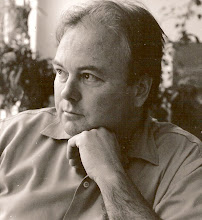
Dateline: November 20, 2011
The past couple of weeks have been momentous, considering the strides toward freedom we have made. The October 26th parole hearing resulted in a “no decision,” and we will be going back for a new hearing on December 14th. Same rules apply – we need prayers and positive thoughts to give us the edge over the forces of evil. I am grateful for all the support in the past, and hope it will continue.
Since we started the “Free Charlie Norman Now” blog over 3 ½ years ago, well over one hundred blogs have been read by thousands of people in over fifty countries. The power of the Internet is amazing, and I thank Professor Chip Brantley in the Department of Journalism at the University of Alabama, for opening that door for me. Now we are trying to figure out how to get the 55-page “Life In Prison – A Photo Exhibit,” online and available. Chip, can you help with that?
The “Google Age” has resulted in some surprises and reconnections, most notably with my college friends, Sombat and Keila Tasanaprasert, of Bangkok, Thailand, who visited with me in July. They recently went through a severe flood in their country. Some people who googled my name thought I was dead, but it wasn’t me. It was the “Charlie Norman” who was a famous Swedish composer and died in his seventies. Also, courtesy of Google, there was another Charles Norman who was on “The Bounty, “ as in, Captain Bligh and the mutiny, but that wasn’t me, either. He’s been dead a couple hundred years. Interesting story, though.
My Thonotosassa Elementary schoolmate, Ruth May, also located me, alive and well, which was a great encouragement – it’s a good feeling to be remembered. The Exums, Bonnie and Sharron, surfaced a couple of times, but disappeared again. I never did hear from David Hutto, Kathy Sumner, or any others from school days fifty years ago.
My best man, Steve (Stephen John) Wyman and his brother, Bruce Wyman, seem to have vanished from view. Steve, if you’re googling yourself, click on the “Contact Us” button, and give Libby your information.
Same goes for David Tal-Mason, formerly of the RITE Program at Sumter C.I. and now a free man. David sent a nice message, but no contact information. David, if you read this, please reconnect. We need to talk.
Some sad news for our friend and investigator, Dick Rivett, who has been dealing with personal tragedies for over a year. Most recently, he suffered the death of his beloved wife, Sally Ann. Our prayers are with you, Dick. Be strong in your faith, old friend.
For those who just happened upon this blog, we’d like to hear your comments and suggestions. “Contact Us,” and Libby will add your e-mail address to our list for updates. The messages in the electronic bottle float along in cyberspace – no telling where they end up.
Charlie
Sunday, November 20, 2011


Tuesday, November 1, 2011
DEAR EDITOR
Oct. 30, 2011
Dear Editor of the St. Pete Times:
After having been the target of Hillsborough State Attorney Mark Ober’s false accusations for over thirty years, I offer the following observations concerning his latest rants to the Florida Parole Commission on October 26, 2011 [“Hillsborough state attorney Mark Ober fears for his safety if inmate gets parole” ]:
The only person who ever threatened to kill anyone was Mark Ober, when he threatened to have me electrocuted if I did not accept his plea bargains during my 1980 trial for a murder I did not commit. I refused his deals and was found guilty on the perjured testimony of convicted felons who received immunity from Ober. The actual killer walked free.
When Mark first voiced his fearful, “Charlie hates my guts. If he ever gets out, he will kill me,” mantra, I wrote him a letter on September 11, 1991, stating that nothing could be further from the truth, that I had forgiven him years earlier, and bore no animosity toward him whatsoever. Mark’s response to one of his prison clients who was also a friend of mine was that although he did not share my Christian beliefs, he felt that I was sincere, and he would not oppose my efforts at release.
What a difference an election makes!
For the record: No, Mark, I do not want to harm you, I’ve never said that, not even joking, and you shouldn’t stake your reputation on the false statements of con men. In fact, Episcopal priest, Father Bob Anderson, retired, of DeLand, can vouch that for many years, I’ve asked him to pray for my prosecutor and those who hate me.
My suggestion to Mark Ober is that he get right with God, clear his conscience, make amends to those he’s harmed, and give up the alcohol that is obviously killing him. He faces a much greater threat from his own hand than he ever did or will from me. One can’t simultaneously live in irrational fear and live a productive life.
Charles P. Norman
#881834
Wakulla Correctional Institution Annex
110 Melaleuca Drive
Crawfordville, FL 32327
Dear Editor of the St. Pete Times:
After having been the target of Hillsborough State Attorney Mark Ober’s false accusations for over thirty years, I offer the following observations concerning his latest rants to the Florida Parole Commission on October 26, 2011 [“Hillsborough state attorney Mark Ober fears for his safety if inmate gets parole” ]:
The only person who ever threatened to kill anyone was Mark Ober, when he threatened to have me electrocuted if I did not accept his plea bargains during my 1980 trial for a murder I did not commit. I refused his deals and was found guilty on the perjured testimony of convicted felons who received immunity from Ober. The actual killer walked free.
When Mark first voiced his fearful, “Charlie hates my guts. If he ever gets out, he will kill me,” mantra, I wrote him a letter on September 11, 1991, stating that nothing could be further from the truth, that I had forgiven him years earlier, and bore no animosity toward him whatsoever. Mark’s response to one of his prison clients who was also a friend of mine was that although he did not share my Christian beliefs, he felt that I was sincere, and he would not oppose my efforts at release.
What a difference an election makes!
For the record: No, Mark, I do not want to harm you, I’ve never said that, not even joking, and you shouldn’t stake your reputation on the false statements of con men. In fact, Episcopal priest, Father Bob Anderson, retired, of DeLand, can vouch that for many years, I’ve asked him to pray for my prosecutor and those who hate me.
My suggestion to Mark Ober is that he get right with God, clear his conscience, make amends to those he’s harmed, and give up the alcohol that is obviously killing him. He faces a much greater threat from his own hand than he ever did or will from me. One can’t simultaneously live in irrational fear and live a productive life.
Charles P. Norman
#881834
Wakulla Correctional Institution Annex
110 Melaleuca Drive
Crawfordville, FL 32327
Monday, October 24, 2011
THANKFUL AND GRATEFUL TO ALL WHO HAVE HELPED
On Wednesday morning, Oct. 26, 2011, the Florida Parole Commission will decide whether I will be released on parole or remain longer in prison, after 33 ½ years of incarceration.
I don’t know exactly who will be making the long trip and standing up on my behalf. Attorney William J. Sheppard of Jacksonville will lead our presentation. He is a fine lawyer, believes in my case, and is well-prepared to briefly argue for my release. Our side only gets 10 minutes, and most of our evidence has been sent to the parole commission in advance. My dear friend, Libby, who has tirelessly worked for months to prepare the parole plan, photo exhibit, letters and other documents, at considerable personal expense, will be there with Bill, to provide answers to any questions that might be thrown at us. I ask that anyone who goes to the hearing let Libby and Bill know you are there. Bill will ask for everyone who is there on my behalf to please stand when it is our turn.
Since the “opposition” has gotten away with making false, malicious, and highly-prejudicial and improper statements at previous hearings, we will have a court reporter present to make an official transcript, if we need it.
Jack Murphy will be batting “clean up,” and will speak after Bill Sheppard presents the legal points. I met Murf at Raiford over 30 years ago, when I first came to prison, and I was there when Frank Costantino took him out of Zephryhills C. I. in November, 1984. He is standing up for me now. Gary Smigiel has been there for me all along, and I am sure better days are ahead for us.
A lot of people will be praying for my release Wednesday. Even were they to grant me a much-deserved parole, it would take a couple of months to actually get out. I have been accepted at the “Prisoners of Christ” residential program in Jacksonville , and hope to get out and get a job and make the most of every minute I live, in freedom, just as I have done these past 33 years in captivity.
If they decide against my release, we will deal with that with dignity. We are already preparing a court suit, “just in case.”
I ask that you keep my situation in your thoughts and prayers on Wednesday, and pray that those who are making that trip will return home safe and sound. I am thankful and grateful to all who have helped me, and promise not to disappoint you.
Charlie
I don’t know exactly who will be making the long trip and standing up on my behalf. Attorney William J. Sheppard of Jacksonville will lead our presentation. He is a fine lawyer, believes in my case, and is well-prepared to briefly argue for my release. Our side only gets 10 minutes, and most of our evidence has been sent to the parole commission in advance. My dear friend, Libby, who has tirelessly worked for months to prepare the parole plan, photo exhibit, letters and other documents, at considerable personal expense, will be there with Bill, to provide answers to any questions that might be thrown at us. I ask that anyone who goes to the hearing let Libby and Bill know you are there. Bill will ask for everyone who is there on my behalf to please stand when it is our turn.
Since the “opposition” has gotten away with making false, malicious, and highly-prejudicial and improper statements at previous hearings, we will have a court reporter present to make an official transcript, if we need it.
Jack Murphy will be batting “clean up,” and will speak after Bill Sheppard presents the legal points. I met Murf at Raiford over 30 years ago, when I first came to prison, and I was there when Frank Costantino took him out of Zephryhills C. I. in November, 1984. He is standing up for me now. Gary Smigiel has been there for me all along, and I am sure better days are ahead for us.
A lot of people will be praying for my release Wednesday. Even were they to grant me a much-deserved parole, it would take a couple of months to actually get out. I have been accepted at the “Prisoners of Christ” residential program in Jacksonville , and hope to get out and get a job and make the most of every minute I live, in freedom, just as I have done these past 33 years in captivity.
If they decide against my release, we will deal with that with dignity. We are already preparing a court suit, “just in case.”
I ask that you keep my situation in your thoughts and prayers on Wednesday, and pray that those who are making that trip will return home safe and sound. I am thankful and grateful to all who have helped me, and promise not to disappoint you.
Charlie
Sunday, October 2, 2011
AN INVITATION TO A PAROLE HEARING
Dateline: October 2, 2011
Wednesday, Sept. 21, I had a phone call with attorney William Sheppard in Jacksonville about my October 26, 2011, parole hearing in Tallahassee.
Bill hopes that some of my family and friends will attend the hearing, as a show of support, even though there’s not much opportunity to speak, with the ten minute time limit for our side. At my January, 2002, parole hearing, Gary Smigiel asked everyone to stand who was there on my behalf, and over twenty people stood. Since that time, people have grown older, become disheartened, or passed on, and the numbers have diminished. I’m not asking anyone to attend who doesn’t really want to, but we are praying that enough people will be moved to go there that it will have a positive effect on the commissioners. If few people care enough about my release to make the trek to Tallahassee, why would the parole commission care?
For those who do plan to go, I express my heartfelt gratitude. Your support and faith in me is not misplaced. The address of the hearing site is 4070 Esplanade Way, Tallahassee, FL 32399. Visitors need to sign in by 8:30 AM the day of the hearing, and you can leave after my portion of the hearing is over, most likely well before Noon. I’d appreciate it if you let Libby know of your intentions. Sorry, but I won’t be able to attend. Unlike some other states, Florida doesn’t allow us to attend the hearings.
For those who do not support my release, I’d like to remind you of some of Florida’s famous attractions where you can spend the day and have some fun. Busch Gardens in Tampa is always a good choice, and Weeki Wachee Springs has live mermaids, or at least they did when I was last out there. By now, those mermaids are probably in their seventies or eighties, and long gone, but perhaps they’ve been replaced by the younger generation.
If you’re in the North Florida region, I hear St. George Island is nice, and so is Wakulla Springs State Park. For that matter, New Orleans isn’t that far away. Whatever you do, in the interest of justice, please leave Leon County off your itinerary on that date.
Thanks,
Charlie
Wednesday, Sept. 21, I had a phone call with attorney William Sheppard in Jacksonville about my October 26, 2011, parole hearing in Tallahassee.
Bill hopes that some of my family and friends will attend the hearing, as a show of support, even though there’s not much opportunity to speak, with the ten minute time limit for our side. At my January, 2002, parole hearing, Gary Smigiel asked everyone to stand who was there on my behalf, and over twenty people stood. Since that time, people have grown older, become disheartened, or passed on, and the numbers have diminished. I’m not asking anyone to attend who doesn’t really want to, but we are praying that enough people will be moved to go there that it will have a positive effect on the commissioners. If few people care enough about my release to make the trek to Tallahassee, why would the parole commission care?
For those who do plan to go, I express my heartfelt gratitude. Your support and faith in me is not misplaced. The address of the hearing site is 4070 Esplanade Way, Tallahassee, FL 32399. Visitors need to sign in by 8:30 AM the day of the hearing, and you can leave after my portion of the hearing is over, most likely well before Noon. I’d appreciate it if you let Libby know of your intentions. Sorry, but I won’t be able to attend. Unlike some other states, Florida doesn’t allow us to attend the hearings.
For those who do not support my release, I’d like to remind you of some of Florida’s famous attractions where you can spend the day and have some fun. Busch Gardens in Tampa is always a good choice, and Weeki Wachee Springs has live mermaids, or at least they did when I was last out there. By now, those mermaids are probably in their seventies or eighties, and long gone, but perhaps they’ve been replaced by the younger generation.
If you’re in the North Florida region, I hear St. George Island is nice, and so is Wakulla Springs State Park. For that matter, New Orleans isn’t that far away. Whatever you do, in the interest of justice, please leave Leon County off your itinerary on that date.
Thanks,
Charlie
Monday, September 19, 2011
THE CASE OF THE INCREDIBLE SHRINKING PRISON TOILET PAPER
Dateline: August 1, 2011
Someone stole my roll of toilet paper. Don’t laugh─it’s not funny.
I am sitting on a lidless, stainless steel toilet inside the bathroom of a maximum security prison in Florida. Take my word for it─seatless stainless steel toilets are cold! Raise the seat on your toilet at home and sit on the bowl rim, or, better yet, drive to the sleaziest, most rundown gas station in town, get the bathroom key, tread carefully to the toilet, raise the seat and sit down. That will possibly approximate the gross-out factor that I deal with every day when I must use the communal toilets that several men before me with bad aim used as urinals.
Before you sit, there are some preliminaries: flush first!─this is mandatory; ‘tis better to discover that your toilet of choice will flush when you need it to, or if it is clogged and won’t flush, or, horror of horrors, will overflow and flood when you flush it, than find out while you are perched there.
After trial flushing, make sure you have toilet paper. It may be difficult to call for help when you are stuck there indisposed, a situation that reminds me of the old joke about the intellectually-disadvantaged traveler who realized there was no toilet paper in the bus station stall just as the public address speaker announced last boarding call for his departing Greyhound.
Wondering what to do, the man heard someone enter the bathroom and use the urinal. “Hey, buddy, would you see if there is some toilet paper in that other stall, please?”
“Sorry, not a bit.”
“Well, how about some paper towels?”
“Nope, all they have is a hot air hand dryer.”
"Uh, how about the trash can? Are there any scraps in there?”
“It’s empty.”
“What am I going to do? My bus is leaving, and I can’t wipe my butt.”
“Do you have a dollar?”
“A dollar? Yeah.”
“There you go. You don’t want to miss your bus. Use a dollar to wipe with, and just throw it away.”
“Good idea. Thanks.”
A couple of minutes went by. The gentleman was washing his hands when the traveler emerged from the toilet stall, his hands smeared with stinky mess.
“My goodness!” the man said. “What happened? I told you to use a dollar.”
“I did,” the traveler said. “Have you ever tried to wipe your butt with three quarters, two dimes, and a nickel?”
I didn’t have a dollar, or any change, for that matter. We use canteen debit cards in prison, but I wasn’t going to use that, either.
The problem is that with the state budget deficit and funding crisis, there is a toilet paper shortage in prison. Up until recently, the guards issued each prisoner one roll of toilet paper a week, along with a tiny bar of motel soap and a disposable “Bic” razor for the mandatory daily shave. In June, a memo came out with a schedule decreeing that henceforth all male prisoners would receive a roll of toilet paper every ten days. Women prisoners would remain on the seven-day plan.
Why do women prisoners still get toilet paper every seven days, while the men do not? No one knows for sure, but speculation is that the women are more “stand up” than the men, more adamant about the erosion of their limited prison rights, and they won’t abide arbitrary edicts like limiting their ability to maintain their basic human hygienic needs. This theory is born out by the package permit experience of the late 1990’s.
When I came to prison a hundred years ago (it seems), at Raiford, we could send out a package permit to our families once a month (later, it became once every three months). Our families could send us six items: a pair of shoes, a package of three T-shirts or underwear, socks (four), a bottle of shampoo, deodorant, watch, radios, towels, things like that. It saved the state money by not having to furnish a lot of shoes, toiletry items, or other personal property, and it enabled us to have the satisfaction of having our own things sent to us from home. At Christmas we could receive a 15-pound box of food from home: fruit cake, cookies, candy, and nuts. That meant a lot, and provided a strong emotional connection.
Times changed. The “lock ‘em up and throw away the key” mentality of the ‘nineties came to the forefront. Mandatory drug laws and harsh sentencing filled up new prisons as fast as they could build them. The prison budget expanded exponentially. Build them, and they will fill them. The package permits that so many had come to expect became threatened by new prison administrators who found one more thing they could deprive us of, to separate us from family and loved ones and the support that gives us. In 1997 a memo came out stating that the Christmas packages that year would be the last ones. At least they were for the male prison population. For the women, it was a different story. Didn’t I tell you that the women were more “stand up” than the men?
Whereas the men just rolled over and accepted fate, the women said, hell no, you’re not taking our packages. They raised holy hell.
Today, if you go to the Laws of Florida, Florida Administrative Code, Chapter 33, the Department of Corrections rules, and look up the listing for official D.O.C. forms, under “property,” you will find “Package Permit, Female Institutions.” Don’t look for “Package Permit, Male Institutions.” You won’t find it. Fourteen years later, the ladies are still getting their packages from home.
I said all that to explain why the men can get one roll of toilet tissue every ten days, while the women wait seven days. They simply won’t accept the extreme toilet paper rationing.
In years past, toilet paper was dispensed on an “as needed” basis. Bring the empty cardboard roll and trade it in for a new one from the guard as needed. That made sense. What if you had a bad cold, sinuses, or the flu, and had to blow your nose all day, for several days? Or perhaps you caught some salmonella or e. coli from the leftover, re-heated “sloppy Joe” meat that went into the spaghetti, got food poisoning, and suffered through a couple of days of dysentery-like diarrhea. That scrawny roll wouldn’t last long. You could become as desperate as the bus traveler, or as I was, sitting on the cold stainless steel toilet bowl rim wondering who stole my toilet paper.
Supposedly, according to the memo, anyone who found themselves without toilet paper before the ten-day date could do the same as before─present the empty roll and get a new one from the officers’ station. In practice, the answer is usually, “We don’t have any.” Such responses have led to a cottage industry of some prisoners selling spare rolls for food, coffee, or cigarettes, or, like in my case, snatching a roll off the concrete divider between toilets. These unsportsmanlike acts contribute to hard feelings and retribution. Someone stole mine, so I’m stealing yours.
This isn’t the first time we’ve had such shortages in prison. In the mid-1980’s, at Zephyrhills C.I., the shortage got so bad after a couple of weeks that men were ripping out pages from magazines and Bibles to wipe with, causing clogged pipes that kept the plumbers busy. I got so desperate that I wrote a request to the warden:
“Sir─would you please send me a roll of toilet paper? The dorms have been out for two weeks, and if anyone has toilet paper, I know you have an extra roll in the executive bathroom out there in the Admin. Bldg. Thanks.”
The next day the Major and a sergeant appeared at my cell door. The Major had a request form in his hand. The other hand was behind his back. “Step out into the hallway, Norman.”
I did. He nodded at the sergeant, who proceeded to search my cell. He finished, nodded “no” to the Major.
The Major held up the request. “You wrote Mr. Henderson a request for toilet paper.”
“Yes, sir.”
“You asked him to send you a roll from the executive bathroom.”
“Yes, sir.”
“He told me to search your room, and if you had any toilet paper, to lock you up for lying to staff. Otherwise, here.”
He produced a roll of toilet paper he’d been holding behind his back and handed it to me. Charmin! Hmm. Life was good in the executive bathroom. Smiling, I took it. They left. I retrieved the partial roll of scratchy state toilet paper I’d hidden, that the sergeant had missed, and gave it to a grateful neighbor.
Perhaps my plea to the warden had embarrassed him. That night a couple cases of toilet paper were delivered and passed out. The drought was over. I squirreled away a spare roll, just in case. You never know.
A few years ago, at Tomoka, where the pistol target range is only blocks from the prison, during another tissue drought, several of us marveled at the firepower as thousands of rounds of ammunition blasted away for hours on end. It sounded like the Taliban and al Qaeda were trying to attack Daytona Beach, and dozens of trigger-happy prison guards were mounting a valiant defense.
An old-timer groused, “Didja ever notice that they can’t keep toilet paper in this place, but they never run out of bullets?” The truth, as they say.
The present supply problem is exacerbated by the incredible shrinking roll of prison toilet paper. Not only have they decreased the frequency of issuance, but they have also shrunk the rolls! When they passed out the new rolls, they were noticeably smaller in dimensions than the old rolls. How low can you go? The old paper was nothing to brag about─tear off a sheet and place it over your newspaper, and you can read the printed text easily, without difficulty. It is that thin. You can’t do that with Charmin. Where does this stuff come from─North Korea? I’m getting worried now. I saw the prison canteen operator change the tape in his adding machine printer (yes, Virginia, they still have those old things in prison), a paper roll about three inches wide and three inches in diameter, and for a moment there, I had a flash of the future─that’s what they’d be handing out to us if we weren’t careful.
Back to the present. There I sat, seething. They’d be calling “count” soon, and I’d be required to go to my bunk. Eight men stood at the metal sinks, four or five feet in front of me and the line of other toilets, brushing their teeth and washing their faces. Gross! Did I tell you that there is little or no privacy in prison? It’s like that old joke, “How do you tell when the honeymoon is over? She brushes her teeth while he does his business on the toilet.”
I didn’t want to ask the guy in the next stall to borrow his roll. People are funny about such things in here. Fortunately for me, a young prisoner approached me, smiling, and handed the missing roll back to me. It had been his idea of a friendly joke. I had two ways to respond: I could become angry, scowl, and castigate him for taking the toilet tissue, which is probably how his father treated him before slapping him around every week of his formative years, or I could do what I did, smile, reach out, take the roll and say, “Thanks.”
Sometimes the best solution is the easiest solution.
Charlie
Someone stole my roll of toilet paper. Don’t laugh─it’s not funny.
I am sitting on a lidless, stainless steel toilet inside the bathroom of a maximum security prison in Florida. Take my word for it─seatless stainless steel toilets are cold! Raise the seat on your toilet at home and sit on the bowl rim, or, better yet, drive to the sleaziest, most rundown gas station in town, get the bathroom key, tread carefully to the toilet, raise the seat and sit down. That will possibly approximate the gross-out factor that I deal with every day when I must use the communal toilets that several men before me with bad aim used as urinals.
Before you sit, there are some preliminaries: flush first!─this is mandatory; ‘tis better to discover that your toilet of choice will flush when you need it to, or if it is clogged and won’t flush, or, horror of horrors, will overflow and flood when you flush it, than find out while you are perched there.
After trial flushing, make sure you have toilet paper. It may be difficult to call for help when you are stuck there indisposed, a situation that reminds me of the old joke about the intellectually-disadvantaged traveler who realized there was no toilet paper in the bus station stall just as the public address speaker announced last boarding call for his departing Greyhound.
Wondering what to do, the man heard someone enter the bathroom and use the urinal. “Hey, buddy, would you see if there is some toilet paper in that other stall, please?”
“Sorry, not a bit.”
“Well, how about some paper towels?”
“Nope, all they have is a hot air hand dryer.”
"Uh, how about the trash can? Are there any scraps in there?”
“It’s empty.”
“What am I going to do? My bus is leaving, and I can’t wipe my butt.”
“Do you have a dollar?”
“A dollar? Yeah.”
“There you go. You don’t want to miss your bus. Use a dollar to wipe with, and just throw it away.”
“Good idea. Thanks.”
A couple of minutes went by. The gentleman was washing his hands when the traveler emerged from the toilet stall, his hands smeared with stinky mess.
“My goodness!” the man said. “What happened? I told you to use a dollar.”
“I did,” the traveler said. “Have you ever tried to wipe your butt with three quarters, two dimes, and a nickel?”
I didn’t have a dollar, or any change, for that matter. We use canteen debit cards in prison, but I wasn’t going to use that, either.
The problem is that with the state budget deficit and funding crisis, there is a toilet paper shortage in prison. Up until recently, the guards issued each prisoner one roll of toilet paper a week, along with a tiny bar of motel soap and a disposable “Bic” razor for the mandatory daily shave. In June, a memo came out with a schedule decreeing that henceforth all male prisoners would receive a roll of toilet paper every ten days. Women prisoners would remain on the seven-day plan.
Why do women prisoners still get toilet paper every seven days, while the men do not? No one knows for sure, but speculation is that the women are more “stand up” than the men, more adamant about the erosion of their limited prison rights, and they won’t abide arbitrary edicts like limiting their ability to maintain their basic human hygienic needs. This theory is born out by the package permit experience of the late 1990’s.
When I came to prison a hundred years ago (it seems), at Raiford, we could send out a package permit to our families once a month (later, it became once every three months). Our families could send us six items: a pair of shoes, a package of three T-shirts or underwear, socks (four), a bottle of shampoo, deodorant, watch, radios, towels, things like that. It saved the state money by not having to furnish a lot of shoes, toiletry items, or other personal property, and it enabled us to have the satisfaction of having our own things sent to us from home. At Christmas we could receive a 15-pound box of food from home: fruit cake, cookies, candy, and nuts. That meant a lot, and provided a strong emotional connection.
Times changed. The “lock ‘em up and throw away the key” mentality of the ‘nineties came to the forefront. Mandatory drug laws and harsh sentencing filled up new prisons as fast as they could build them. The prison budget expanded exponentially. Build them, and they will fill them. The package permits that so many had come to expect became threatened by new prison administrators who found one more thing they could deprive us of, to separate us from family and loved ones and the support that gives us. In 1997 a memo came out stating that the Christmas packages that year would be the last ones. At least they were for the male prison population. For the women, it was a different story. Didn’t I tell you that the women were more “stand up” than the men?
Whereas the men just rolled over and accepted fate, the women said, hell no, you’re not taking our packages. They raised holy hell.
Today, if you go to the Laws of Florida, Florida Administrative Code, Chapter 33, the Department of Corrections rules, and look up the listing for official D.O.C. forms, under “property,” you will find “Package Permit, Female Institutions.” Don’t look for “Package Permit, Male Institutions.” You won’t find it. Fourteen years later, the ladies are still getting their packages from home.
I said all that to explain why the men can get one roll of toilet tissue every ten days, while the women wait seven days. They simply won’t accept the extreme toilet paper rationing.
In years past, toilet paper was dispensed on an “as needed” basis. Bring the empty cardboard roll and trade it in for a new one from the guard as needed. That made sense. What if you had a bad cold, sinuses, or the flu, and had to blow your nose all day, for several days? Or perhaps you caught some salmonella or e. coli from the leftover, re-heated “sloppy Joe” meat that went into the spaghetti, got food poisoning, and suffered through a couple of days of dysentery-like diarrhea. That scrawny roll wouldn’t last long. You could become as desperate as the bus traveler, or as I was, sitting on the cold stainless steel toilet bowl rim wondering who stole my toilet paper.
Supposedly, according to the memo, anyone who found themselves without toilet paper before the ten-day date could do the same as before─present the empty roll and get a new one from the officers’ station. In practice, the answer is usually, “We don’t have any.” Such responses have led to a cottage industry of some prisoners selling spare rolls for food, coffee, or cigarettes, or, like in my case, snatching a roll off the concrete divider between toilets. These unsportsmanlike acts contribute to hard feelings and retribution. Someone stole mine, so I’m stealing yours.
This isn’t the first time we’ve had such shortages in prison. In the mid-1980’s, at Zephyrhills C.I., the shortage got so bad after a couple of weeks that men were ripping out pages from magazines and Bibles to wipe with, causing clogged pipes that kept the plumbers busy. I got so desperate that I wrote a request to the warden:
“Sir─would you please send me a roll of toilet paper? The dorms have been out for two weeks, and if anyone has toilet paper, I know you have an extra roll in the executive bathroom out there in the Admin. Bldg. Thanks.”
The next day the Major and a sergeant appeared at my cell door. The Major had a request form in his hand. The other hand was behind his back. “Step out into the hallway, Norman.”
I did. He nodded at the sergeant, who proceeded to search my cell. He finished, nodded “no” to the Major.
The Major held up the request. “You wrote Mr. Henderson a request for toilet paper.”
“Yes, sir.”
“You asked him to send you a roll from the executive bathroom.”
“Yes, sir.”
“He told me to search your room, and if you had any toilet paper, to lock you up for lying to staff. Otherwise, here.”
He produced a roll of toilet paper he’d been holding behind his back and handed it to me. Charmin! Hmm. Life was good in the executive bathroom. Smiling, I took it. They left. I retrieved the partial roll of scratchy state toilet paper I’d hidden, that the sergeant had missed, and gave it to a grateful neighbor.
Perhaps my plea to the warden had embarrassed him. That night a couple cases of toilet paper were delivered and passed out. The drought was over. I squirreled away a spare roll, just in case. You never know.
A few years ago, at Tomoka, where the pistol target range is only blocks from the prison, during another tissue drought, several of us marveled at the firepower as thousands of rounds of ammunition blasted away for hours on end. It sounded like the Taliban and al Qaeda were trying to attack Daytona Beach, and dozens of trigger-happy prison guards were mounting a valiant defense.
An old-timer groused, “Didja ever notice that they can’t keep toilet paper in this place, but they never run out of bullets?” The truth, as they say.
The present supply problem is exacerbated by the incredible shrinking roll of prison toilet paper. Not only have they decreased the frequency of issuance, but they have also shrunk the rolls! When they passed out the new rolls, they were noticeably smaller in dimensions than the old rolls. How low can you go? The old paper was nothing to brag about─tear off a sheet and place it over your newspaper, and you can read the printed text easily, without difficulty. It is that thin. You can’t do that with Charmin. Where does this stuff come from─North Korea? I’m getting worried now. I saw the prison canteen operator change the tape in his adding machine printer (yes, Virginia, they still have those old things in prison), a paper roll about three inches wide and three inches in diameter, and for a moment there, I had a flash of the future─that’s what they’d be handing out to us if we weren’t careful.
Back to the present. There I sat, seething. They’d be calling “count” soon, and I’d be required to go to my bunk. Eight men stood at the metal sinks, four or five feet in front of me and the line of other toilets, brushing their teeth and washing their faces. Gross! Did I tell you that there is little or no privacy in prison? It’s like that old joke, “How do you tell when the honeymoon is over? She brushes her teeth while he does his business on the toilet.”
I didn’t want to ask the guy in the next stall to borrow his roll. People are funny about such things in here. Fortunately for me, a young prisoner approached me, smiling, and handed the missing roll back to me. It had been his idea of a friendly joke. I had two ways to respond: I could become angry, scowl, and castigate him for taking the toilet tissue, which is probably how his father treated him before slapping him around every week of his formative years, or I could do what I did, smile, reach out, take the roll and say, “Thanks.”
Sometimes the best solution is the easiest solution.
Charlie
Wednesday, August 10, 2011
SPECIAL VISIT FROM OLD FRIENDS FROM FAR AWAY

Dateline: August 10, 2011
A four-decade-plus friendship was renewed Sunday, July 31, 2011, when my dear friends, Sombat, Keila, and their son, Andy, made a trek from the other side of the world to visit with Libby and me at Wakulla Annex C.I. Homeland Security has nothing on the Florida D.O.C. when it comes to bureaucratic red-tape and paperwork. It was easier to travel 12,000 miles from Bangkok, Thailand, to Tampa, than it was to get to and into this place, but they persevered.
I met Sombat at the University of South Florida in 1968, through a mutual friend from the Yucatan, Mexico, who enrolled in King High School, not speaking any English. Since I spoke Spanish, I helped Tony Puerta learn to speak English well enough that he graduated from King, enrolled at USF, and eventually became a rocket scientist at Sperry-Rand. He repaid the kindness by introducing me to Sombat, who was studying engineering, thus beginning a life-long friendship.
Sombat and his beautiful wife, Keila, were there for me during some of the worst times of my life, offering non-judgmental friendship when I had nowhere else to turn. I hope I was able to do the same for them.
During college, Sombat played on the USF soccer team, and I was in the martial arts business, tae kwon do and Karate schools in Tampa and Lakeland, and tournament promotions. We played golf at the USF golf course, but I didn't know Sombat had been a champion kick boxer in Thailand until he offered to be a sparring partner for Florida black belt karate champion Ron Slinker, one of my partners in Martial Arts Institute, Inc., who was training for a professional kick boxing (PKA) match with the American kick boxing champion. After Sombat put on a "Muay Thai" kick boxing exhibition against the hapless Slinker, sending him to the hospital, Ron decided kick boxing was not for him. Slinker went on to become a professional wrestler with Vince McMahon's WWF. His biggest claim to fame was teaching "The Rock," Dwayne Johnson, to be a professional wrestler. "The Rock" is now known as a highly-paid movie star. In his biography, "The Rock" talked about Slinker, calling him the baddest fighter he's ever met. Obviously, "The Rock" never went three rounds with Sombat.
I was there when Andy, Sombat's and Keila's first child, was born. Until 1989, when they moved back to Thailand, Andy and his sister, Adrie, grew up visiting me in a sucession of prisons, dragging their parents along.
It was a very emotional time for all of us when my old friends and their now-grown son, who towers over all of us, entered the visiting park to hugs and tears. The years in between truly fell away. Afterwards, Libby, who had met them for the first time at the visit, said she felt like she'd known them all her life and was humbled in the presence of such special, loving people, whose feelings and words were so obviously genuine.
In the midst of such repression and negativity omnipresent in here, it was an incredible boost to my sinking morale to be in their presence for a few precious hours. Truly I am blessed and thankful for such purely good people in my life, who validate my own worth as an individual.
Charlie
Tuesday, August 2, 2011
CANADA GEESE MAKE A HOME IN PRISON
Dateline July 18, 2011
Early one subfreezing January morning in North Florida, eighty state prisoners lined up outside to march to the chow hall for a breakfast of two pancakes and a cup of hot oatmeal.
I was one of those prisoners. In the predawn darkness, glaring orange security lights mounted on tall concrete towers illuminated two Canada geese nibbling on the brown grass blades of the exercise yard. The anomaly of the wild goose pair juxtaposed with the razorwire fence beside them struck me. I couldn’t take my eyes off them as we headed for the chow hall, craning my neck to catch a last sight of them. I hadn’t seen a Canada goose in decades, since my imprisonment, and I didn’t know when I’d see one again, let alone two. It wasn’t that long a wait─just until the next day.
On the way to the law library to do legal research the next morning, there they were again, nibbling at the dry, dead grass in a different exercise yard adjacent to the prison school, oblivious to the activity around them.
Twice in two days! My lingering memory of Canada geese went back to my childhood in Central Florida and a group of children gazing skyward at a large V-shaped formation of honking wild geese migrating southward, far overhead. The image epitomized freedom, unrestrained by time, place, or national boundaries.
The following day the geese treated me to the sight of them taking to the air, their six-foot wingspan lifting them easily over the high steel fences that encaged the humans below. The continuing daily proximity to the wild creatures prompted me to find out more about them to satisfy my curiosity as to why, with all the Western Hemisphere to choose from, they’d selected a maximum security prison for their winter vacation.
The National Geographic Field Guide to Birds informed me that although Canada geese prefer wetlands, grasslands, and cultivated fields within commuting distance of water, they have adapted successfully to man-made habitats, such as golf courses and farms to the extent that they will chase off other nesting waterbirds. National Geographic can add prisons to that list now.
I also discovered that the Canada goose winters in the Northern Panhandle of Florida, from the Atlantic Coast to the Gulf Coast. That explained it. I also found that they were closely related to the endangered Hawaiian goose, or néné, best known as a crossword clue, and had become so prolific in the last few decades that they are considered pests in some areas. Not in my area, they aren’t.
My paternal feelings of regard for the pair (mated for life─no divorce for geese) became conflicted, however, after I read an article with a recipe for roast Canada goose, said to be the tastiest of all geese. After a deprived bland prison diet of daily beans and soybean patty substitutes, my visions of the majestic birds with their black heads and white chin straps interspersed with the enticing image of a roast goose and all the fixins’ as the centerpiece of Christmas dinner at home with my family. I shook it off.
After several weeks of almost daily sightings, I realized that I hadn’t seen the geese in awhile. I speculated that they had relocated to (literally) greener pastures. Then one day a friend informed me that the geese were nesting in the prison farm field west of the law library. I surveyed the area from a window in the library, and lo and behold! There they were, the female sitting on a ground-level nest, the male a few feet away on guard duty, black neck stretched high to observe any possible threats.
Over the next few weeks I learned from prisoners who worked the farm plot of cabbages, squash, and collards, that the female sat on a clutch of four eggs. The prisoners kept a small drainage pond in the field filled with water, which the geese took turns visiting, the nest never left unprotected.
One morning I put down my legal documents on a table in the law library and hurried to th window to see “my” geese. They weren’t there! The nest was abandoned. What could have happened? Across the field in the distance, I spied a long black neck extended above a height of unmowed grasses by the drainage pond. A few minutes later, another Canada goose appeared, then I noticed a movement of something brown and small following the mother. A baby!
The geese headed across the farm field, the mother followed by the tiny gosling, the father maintaining a vigilant watch at the flank. But where were the other three? All I saw was one baby goose.
The farmworkers informed me that only one egg had hatched. After a couple of days the mother abandoned the cold eggs, focusing her attention on the survivor.
In the days and weeks ahead, the baby bird grew quickly. It went from timidly following the parents around to racing ahead for some tidbit. When a curious crow flew over the field the father launched himself into the air for a direct intercept of the surprised predator. No F-16 Air Force jet took off so fast with such singleminded purpose as that protective male.
Before long the gosling had lost its immature brown camouflage coloration and looked more like a slightly smaller version of its parents. The trio is inseparable as I watch from my window today, none of them ever more than a few feet apart. I thought that humans could learn some parenting lessons from geese, whose attentiveness to their young’s needs and protection never wavers. Scientists say they operate on instinct. Perhaps we’ve lost some of our important instincts along the way. The only geese I’ve ever seen in prison were there by choice, and could leave whenever they decided to take wing.
I haven’t seen the young goose fly yet. It is approaching full size, so it won’t be long. I do know that mom and dad aren’t going anywhere until their offspring can go with them. Perhaps ne day a V-shaped formation will appear overhead, and the wild geese will answer the honking calls of their kind, flying away home. Would that I had wings, and could join them, free at last.
Charlie
Postscript: They flew!
Early one subfreezing January morning in North Florida, eighty state prisoners lined up outside to march to the chow hall for a breakfast of two pancakes and a cup of hot oatmeal.
I was one of those prisoners. In the predawn darkness, glaring orange security lights mounted on tall concrete towers illuminated two Canada geese nibbling on the brown grass blades of the exercise yard. The anomaly of the wild goose pair juxtaposed with the razorwire fence beside them struck me. I couldn’t take my eyes off them as we headed for the chow hall, craning my neck to catch a last sight of them. I hadn’t seen a Canada goose in decades, since my imprisonment, and I didn’t know when I’d see one again, let alone two. It wasn’t that long a wait─just until the next day.
On the way to the law library to do legal research the next morning, there they were again, nibbling at the dry, dead grass in a different exercise yard adjacent to the prison school, oblivious to the activity around them.
Twice in two days! My lingering memory of Canada geese went back to my childhood in Central Florida and a group of children gazing skyward at a large V-shaped formation of honking wild geese migrating southward, far overhead. The image epitomized freedom, unrestrained by time, place, or national boundaries.
The following day the geese treated me to the sight of them taking to the air, their six-foot wingspan lifting them easily over the high steel fences that encaged the humans below. The continuing daily proximity to the wild creatures prompted me to find out more about them to satisfy my curiosity as to why, with all the Western Hemisphere to choose from, they’d selected a maximum security prison for their winter vacation.
The National Geographic Field Guide to Birds informed me that although Canada geese prefer wetlands, grasslands, and cultivated fields within commuting distance of water, they have adapted successfully to man-made habitats, such as golf courses and farms to the extent that they will chase off other nesting waterbirds. National Geographic can add prisons to that list now.
I also discovered that the Canada goose winters in the Northern Panhandle of Florida, from the Atlantic Coast to the Gulf Coast. That explained it. I also found that they were closely related to the endangered Hawaiian goose, or néné, best known as a crossword clue, and had become so prolific in the last few decades that they are considered pests in some areas. Not in my area, they aren’t.
My paternal feelings of regard for the pair (mated for life─no divorce for geese) became conflicted, however, after I read an article with a recipe for roast Canada goose, said to be the tastiest of all geese. After a deprived bland prison diet of daily beans and soybean patty substitutes, my visions of the majestic birds with their black heads and white chin straps interspersed with the enticing image of a roast goose and all the fixins’ as the centerpiece of Christmas dinner at home with my family. I shook it off.
After several weeks of almost daily sightings, I realized that I hadn’t seen the geese in awhile. I speculated that they had relocated to (literally) greener pastures. Then one day a friend informed me that the geese were nesting in the prison farm field west of the law library. I surveyed the area from a window in the library, and lo and behold! There they were, the female sitting on a ground-level nest, the male a few feet away on guard duty, black neck stretched high to observe any possible threats.
Over the next few weeks I learned from prisoners who worked the farm plot of cabbages, squash, and collards, that the female sat on a clutch of four eggs. The prisoners kept a small drainage pond in the field filled with water, which the geese took turns visiting, the nest never left unprotected.
One morning I put down my legal documents on a table in the law library and hurried to th window to see “my” geese. They weren’t there! The nest was abandoned. What could have happened? Across the field in the distance, I spied a long black neck extended above a height of unmowed grasses by the drainage pond. A few minutes later, another Canada goose appeared, then I noticed a movement of something brown and small following the mother. A baby!
The geese headed across the farm field, the mother followed by the tiny gosling, the father maintaining a vigilant watch at the flank. But where were the other three? All I saw was one baby goose.
The farmworkers informed me that only one egg had hatched. After a couple of days the mother abandoned the cold eggs, focusing her attention on the survivor.
In the days and weeks ahead, the baby bird grew quickly. It went from timidly following the parents around to racing ahead for some tidbit. When a curious crow flew over the field the father launched himself into the air for a direct intercept of the surprised predator. No F-16 Air Force jet took off so fast with such singleminded purpose as that protective male.
Before long the gosling had lost its immature brown camouflage coloration and looked more like a slightly smaller version of its parents. The trio is inseparable as I watch from my window today, none of them ever more than a few feet apart. I thought that humans could learn some parenting lessons from geese, whose attentiveness to their young’s needs and protection never wavers. Scientists say they operate on instinct. Perhaps we’ve lost some of our important instincts along the way. The only geese I’ve ever seen in prison were there by choice, and could leave whenever they decided to take wing.
I haven’t seen the young goose fly yet. It is approaching full size, so it won’t be long. I do know that mom and dad aren’t going anywhere until their offspring can go with them. Perhaps ne day a V-shaped formation will appear overhead, and the wild geese will answer the honking calls of their kind, flying away home. Would that I had wings, and could join them, free at last.
Charlie
Postscript: They flew!
Subscribe to:
Posts (Atom)